
Fractured Teeth in Pets
Treatment Options at Animal Medical of New City
Make An Appointment
At Animal Medical of New City, our experienced veterinarians—Dr. Howard Gittelman, Dr. Schenkel, Dr. Gillman, Dr. Romolini, Dr. Suganuma, and the entire team are committed to providing the highest quality veterinary care for your pets. With over 60 years of combined experience and our AAHA accreditation, we prioritize relieving pain, preventing infection, and preserving your pet’s comfort and function. Dental trauma, such as fractured teeth, is common in dogs and cats, and pets often hide their discomfort so early professional evaluation is essential.
Treatment for fractured teeth depends on the tooth’s location, the severity of the fracture, and whether the pulp (the inner nerve and blood supply) is exposed. We use digital dental X-rays and thorough exams to assess each case accurately.
If the fracture does not expose the pulp (uncomplicated crown fracture), a simple bonded sealant or dental coating may be all that’s needed. This seals the exposed dentin, discourages bacterial invasion, reduces sensitivity, and protects the tooth, a quick, effective solution we perform regularly in our practice.
If the fracture exposes the pulp (complicated crown fracture), the tooth risks infection, abscesses, and chronic pain.
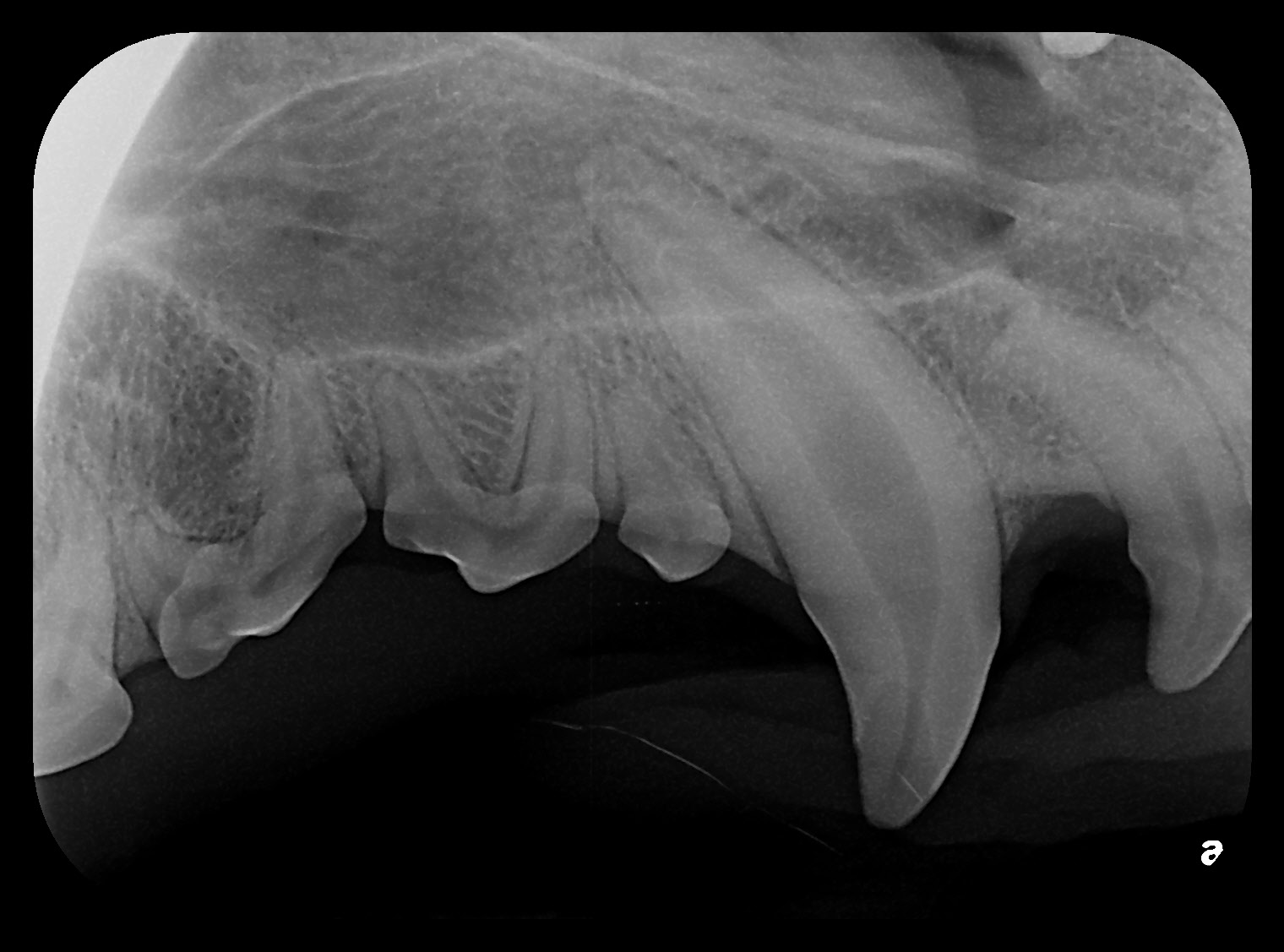
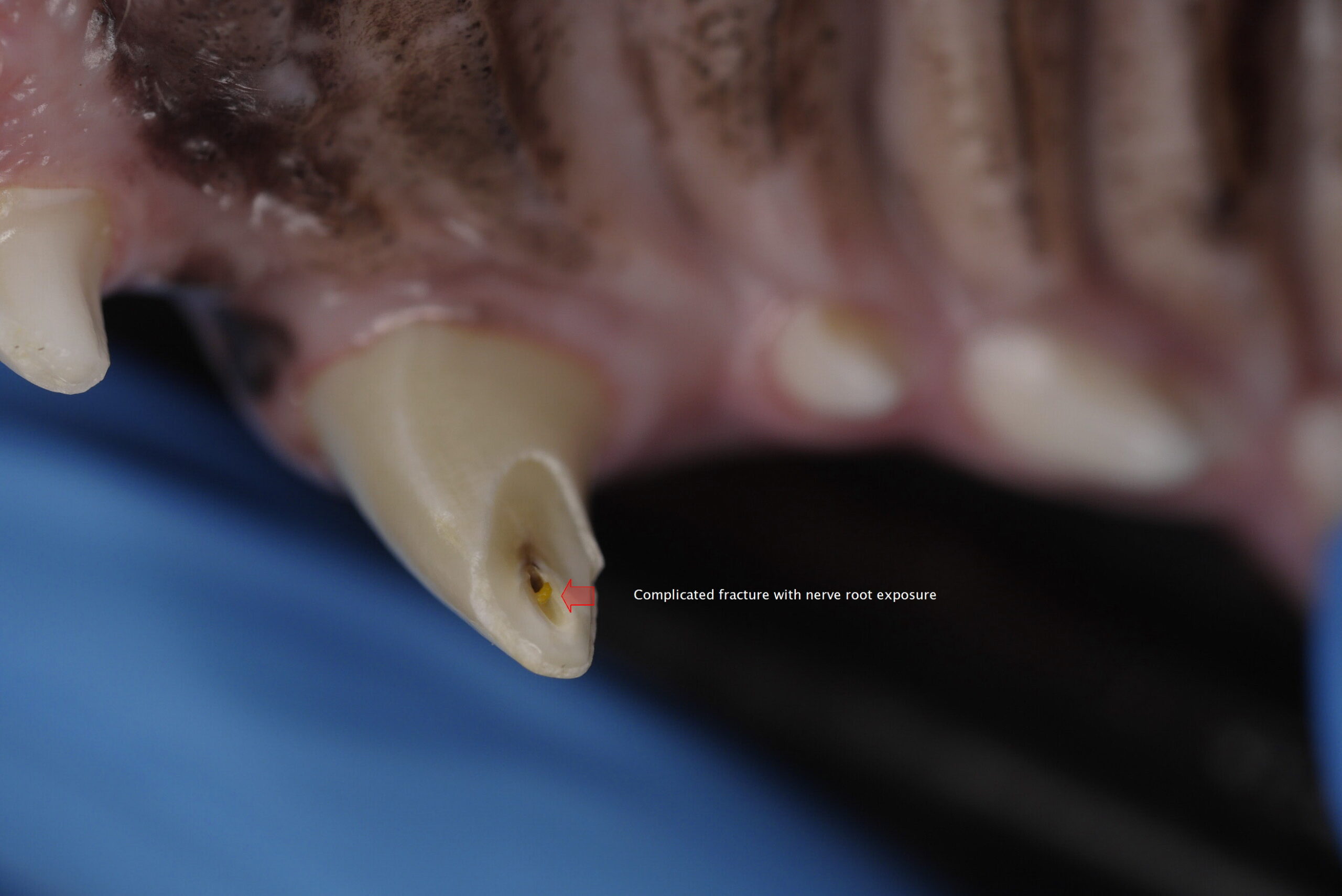
Advanced treatment is required to eliminate discomfort and prevent complications. Our options include:
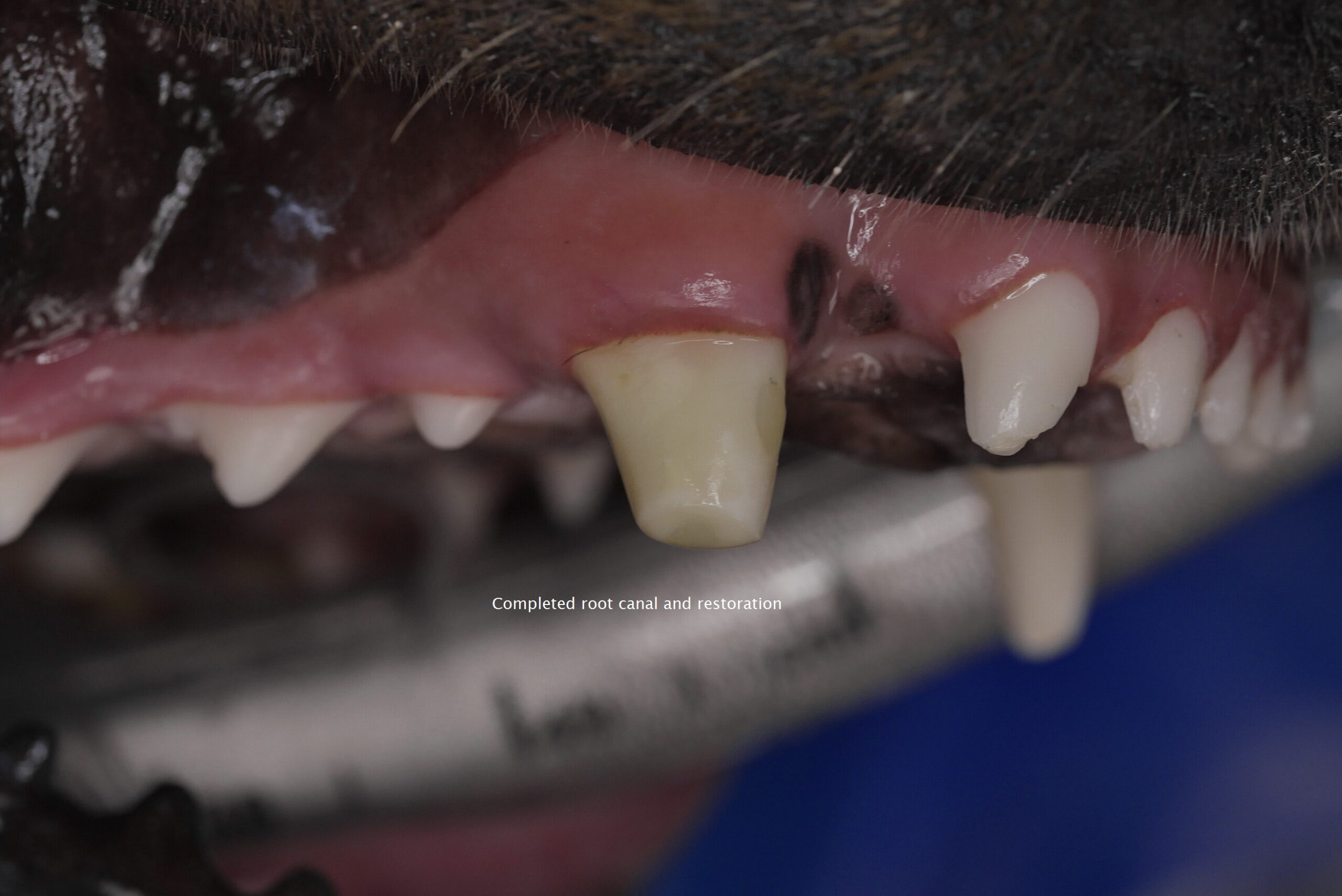
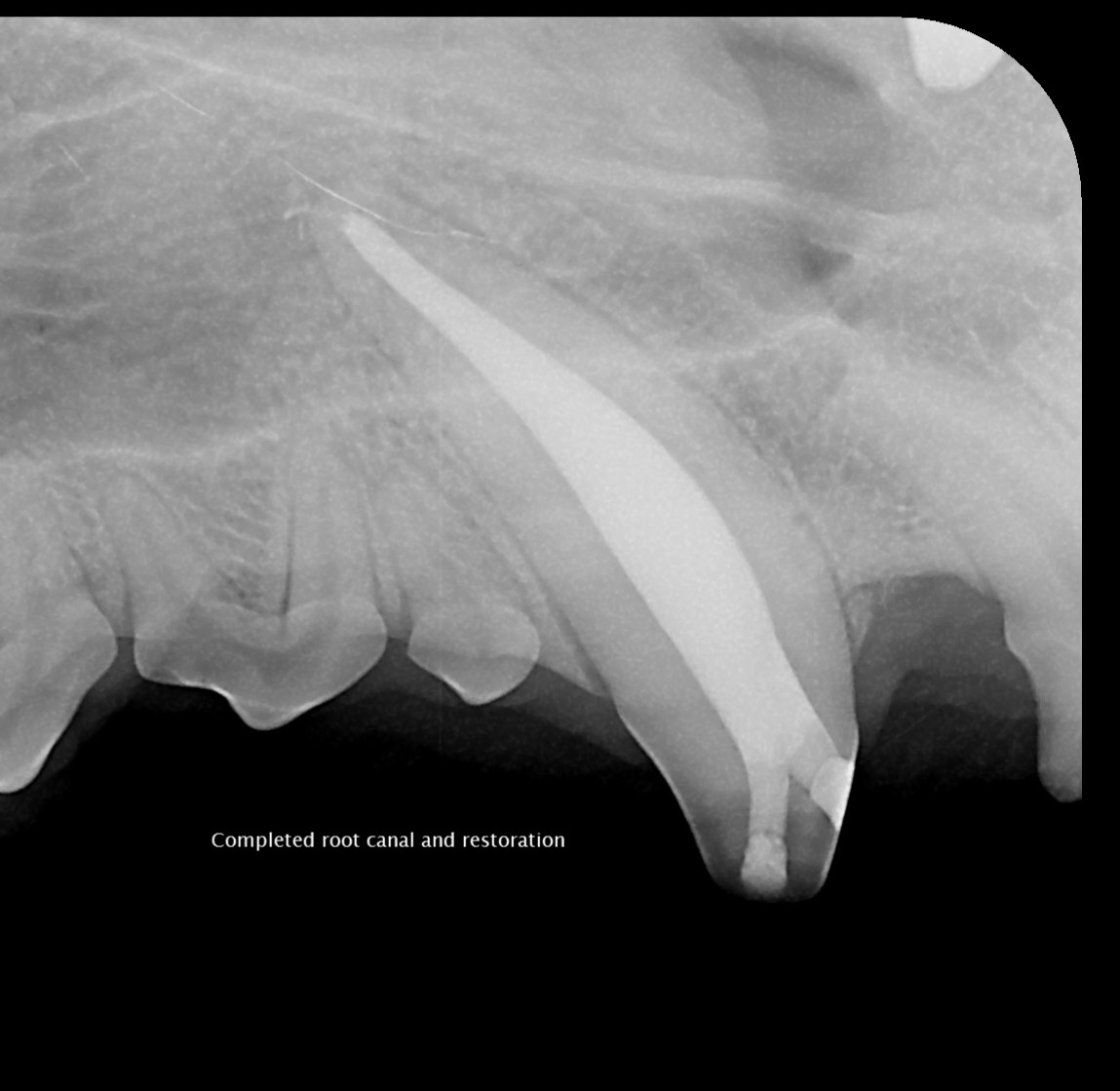
- Root canal therapy (endodontic treatment): We remove infected or dead pulp, thoroughly clean and seal the root canal system, and restore the tooth with a filling or crown. This is often the preferred choice for preserving important teeth and maintaining function.
- Tooth extraction: A reliable, straightforward alternative, especially for less critical teeth. It’s typically faster and more cost-effective, though we always discuss long-term implications with you.
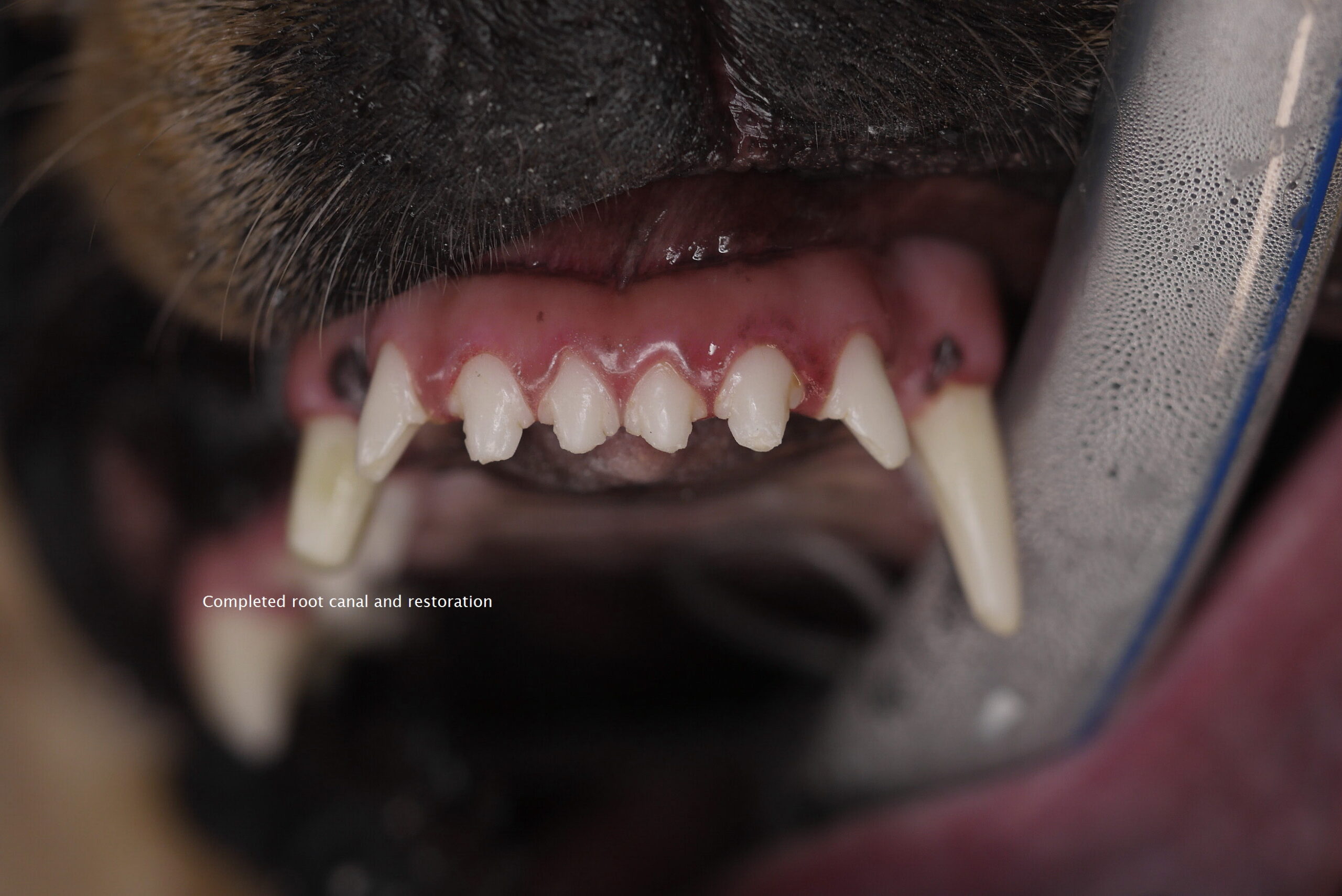
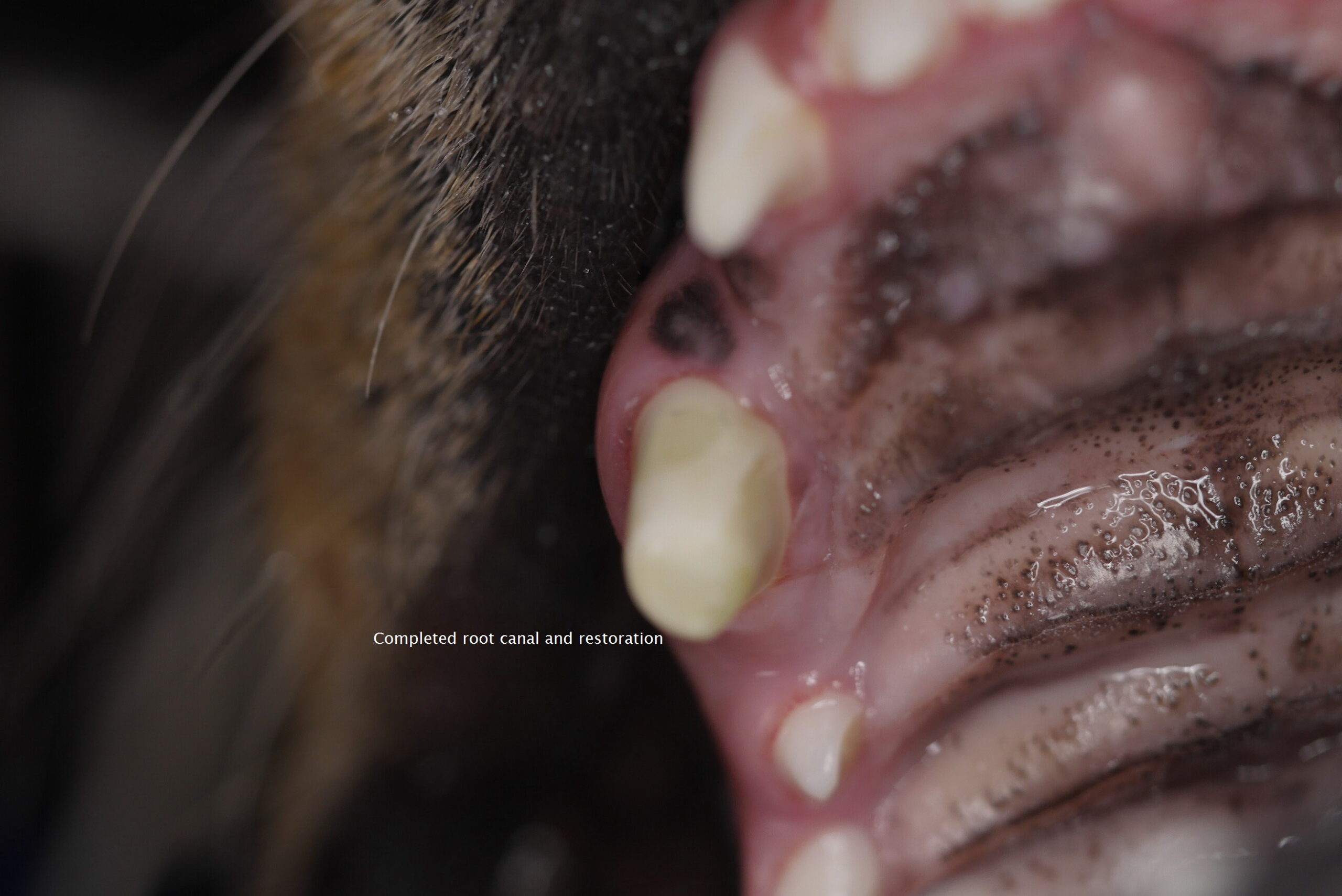
When recommending the best approach, we consider the tooth’s role in your pet’s life. Pets have incisors (for nibbling), canines (for grasping and piercing), premolars, and molars (for shearing and grinding). Fortunately, modern pet foods are easy to eat, so a complete set of teeth isn’t required for nutrition; comfort and infection control come first.
Key functional teeth we focus on preserving when possible include:
- The canine teeth (the prominent fangs): Crucial for grasping, especially in active or working dogs. Root canal therapy is frequently our treatment of choice for fractured canines in both dogs and cats to maintain their natural function.
- The carnassial teeth (upper fourth premolars and lower first molars): These handle the main chewing and shearing forces. For a fractured upper fourth premolar, root canal therapy followed by a protective crown is often recommended to withstand ongoing chewing stresses. We also guide pet owners on modifying habits (avoiding hard chews like bones or antlers) to prevent future trauma.
Cats adapt exceptionally well even with missing teeth, as they often swallow food whole. Dogs benefit more from retaining their carnassial teeth for efficient chewing.
While extraction is efficient, it has minor drawbacks we discuss openly:
- Removing lower canine teeth may allow the tongue to protrude slightly, potentially increasing drooling or altering appearance.
- Extracting chewing teeth reduces natural plaque removal during eating, so we emphasize ongoing dental home care for remaining teeth.
Our team uses state-of-the-art diagnostics and gentle techniques to ensure your pet’s comfort throughout treatment. Before-and-after photos illustrate the clinical and radiographic results of a successful canine tooth root canal, showing how we can preserve and restore teeth to full function.
If your pet has a fractured tooth or any signs of dental discomfort, call or text us at (845) 638-3600 to schedule a consultation. We’re here to help your pet feel better, quickly and compassionately.