
Feline Resorptive Disease (Tooth Resorption) in Cats
Understanding and Managing This Painful Oral Condition at Animal Medical of New City
Make An Appointment
Feline Resorptive Disease (Tooth Resorption) in Cats
Feline resorptive disease, also called tooth resorption, is one of the most common and painful dental conditions we see in cats. While this condition can occur in dogs, it is far more common in cats, affecting a large percentage of adults and seniors. The good news is that with proper diagnosis and treatment, we can relieve your pet’s pain and help them return to a comfortable, healthy life.
At Animal Medical of New City, our team is equipped to diagnose and treat tooth resorption using advanced dental care techniques.
What Is Tooth Resorption?Tooth resorption occurs when the body begins to break down and absorb the structure of a tooth. Over time, the tooth becomes weakened, painful, and eventually destroyed.In cats, this often starts at or below the gumline and may not be visible at home. Because cats instinctively hide pain, many pets continue eating and acting normally even while experiencing significant discomfort.
What Causes Tooth Resorption?The exact cause of feline tooth resorption is not fully understood, but several factors may play a role, including:
- Chronic inflammation of the gums (gingivitis or periodontal disease)
- Abnormal immune responses
- Tooth stress or trauma
- Dietary or environmental factors
- Genetic predisposition
Although the condition is most common in cats, dogs can develop tooth resorption as well, though much less frequently.
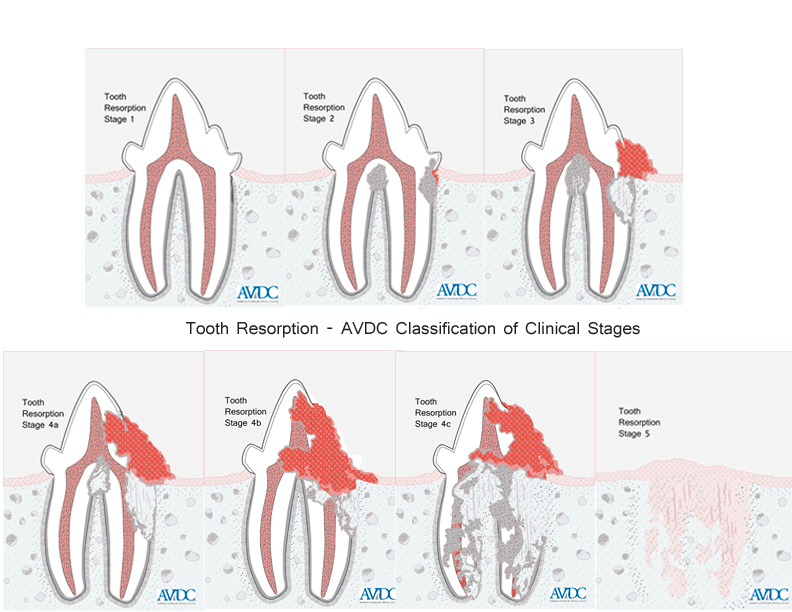
Signs and Symptoms to Watch ForMany cats show subtle or no obvious signs. Possible symptoms include:
- Dropping food while eating
- Chewing on one side of the mouth
- Decreased appetite or picky eating
- Drooling or pawing at the mouth
- Bad breath
- Bleeding from the gums
- Irritability or reluctance to have the face touched
Sometimes the only sign is a small red area at the gumline, called a “resorptive lesion.”
How Is Tooth Resorption Diagnosed?A thorough oral examination under anesthesia is the best way to diagnose tooth resorption.At Animal Medical of New City, diagnosis includes:
- Complete oral exam
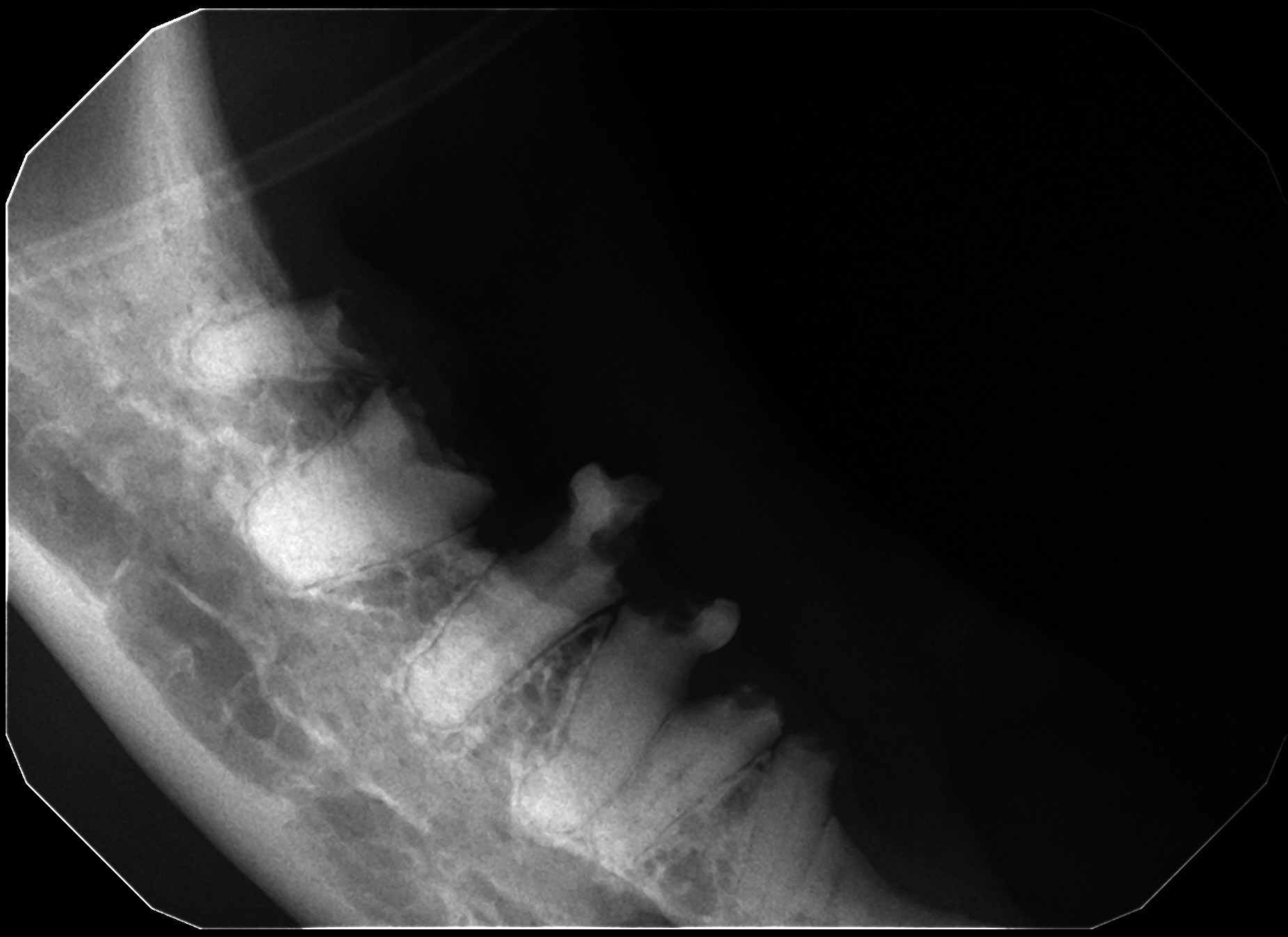
- Dental X-rays (radiographs) to evaluate the roots and structures below the gumline
- Identification of affected teeth and the extent of disease
Dental X-rays are essential because many lesions occur below the surface and cannot be seen during a routine awake exam.
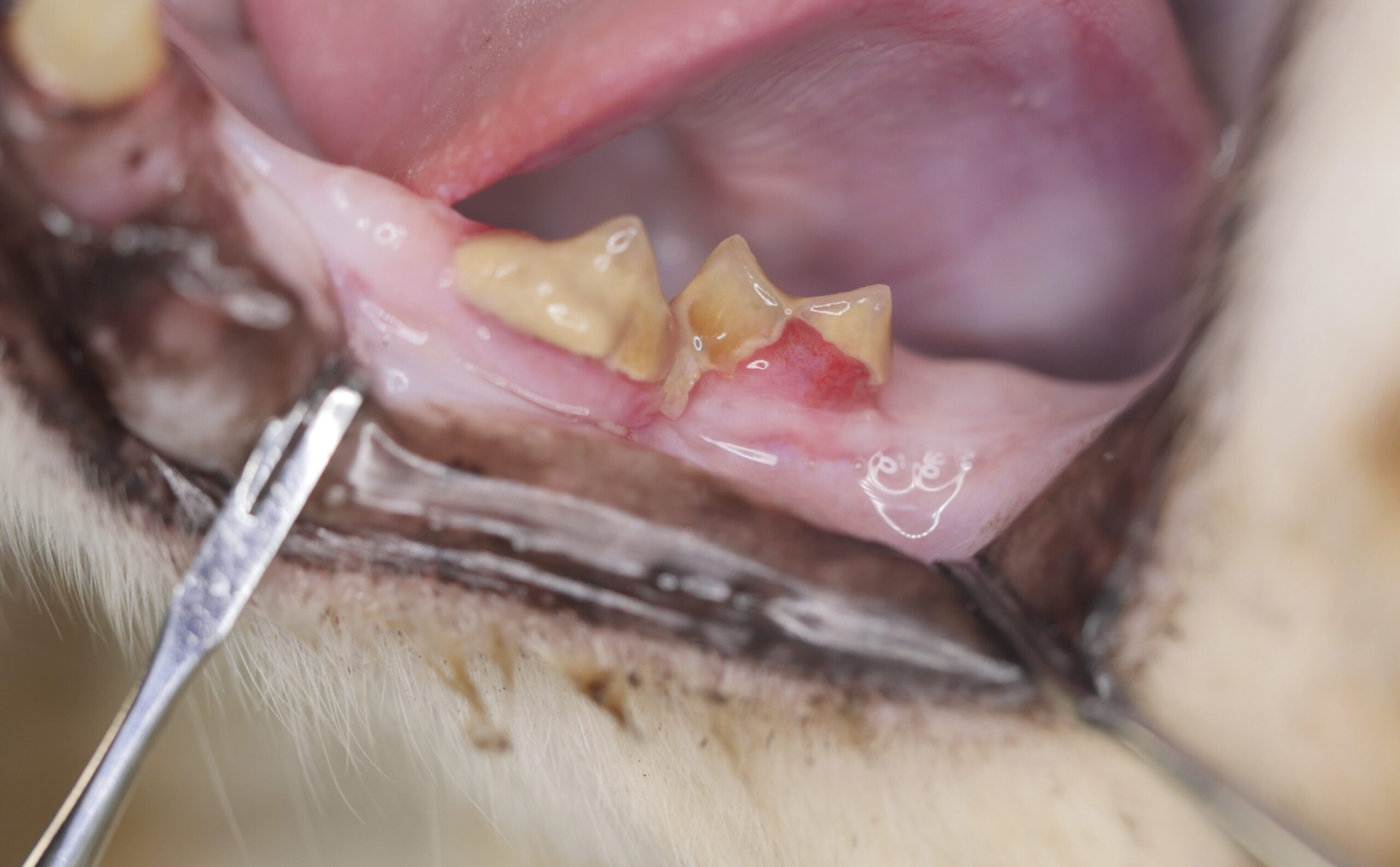
Treatment OptionsUnfortunately, tooth resorption is progressive and painful, and the affected tooth cannot be saved.The recommended treatment is extraction of the affected tooth. In some cases where the roots have already been resorbed, a specialized procedure called a crown amputation may be recommended.
After treatment:
- Cats recover quickly and typically feel much better once the painful tooth is removed
- Pain medication and supportive care are provided
- Most cats return to normal eating and activity within a short time
There is currently no way to prevent all cases, but regular dental exams help us catch the condition early.
Dental Care at Animal Medical of New CityAt Animal Medical of New City, we provide comprehensive dental care for cats and dogs, including:
- Routine dental evaluations
- Professional dental cleanings under anesthesia
- Full-mouth dental X-rays
- Diagnosis of tooth resorption and other dental diseases
- Surgical extractions and advanced dental procedures
- Pain management and post-procedure care
Our goal is to identify dental disease early, relieve pain, and keep your pet comfortable and healthy.
When Should My Cat Be Checked?Because tooth resorption is so common and often hidden, we recommend:
- Annual (or semiannual for seniors) wellness exams
- A dental evaluation if you notice any changes in eating, breath, or behavior
- Professional dental cleanings as recommended by your veterinarian
If you suspect your cat may have dental pain, contact us! Early diagnosis and treatment can make a dramatic difference in your pet’s comfort and quality of life.